


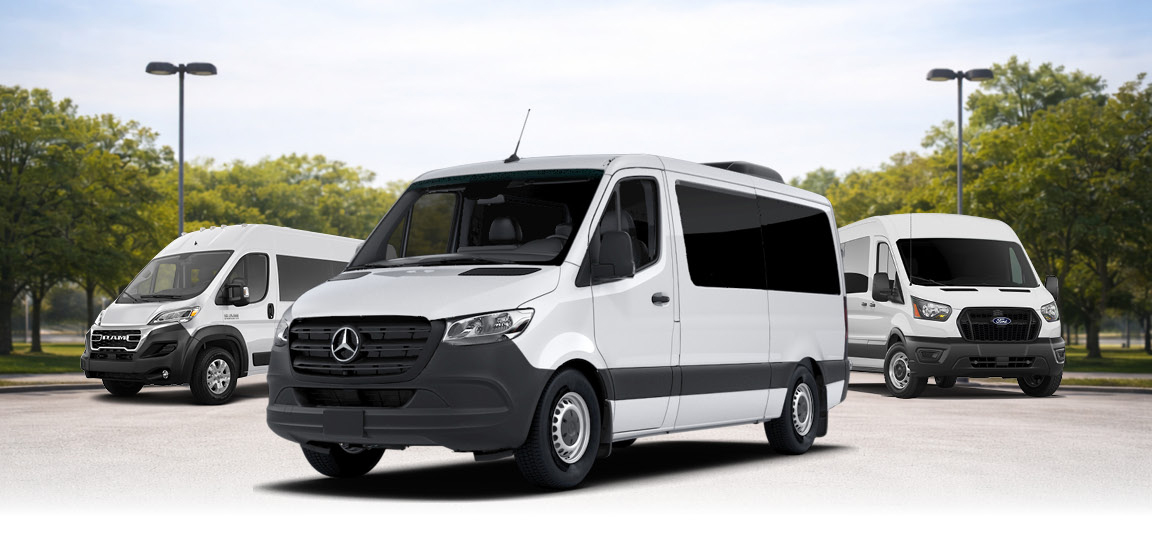
Mercedes-Benz Sprinter vs Ford Transit vs Ram ProMaster: Which Commercial Van Delivers Real Value for Duluth and Atlanta, GA Drivers?
The sticker price tells you what a van costs to buy. It doesn't tell you what it costs to own. For business owners across Duluth, Atlanta, Suwanee, Johns Creek, and Buford, this distinction shapes profitability for years. The van sitting in your lot today will accumulate fuel costs, service bills, and eventually a resale value that either rewards or penalizes your original decision.
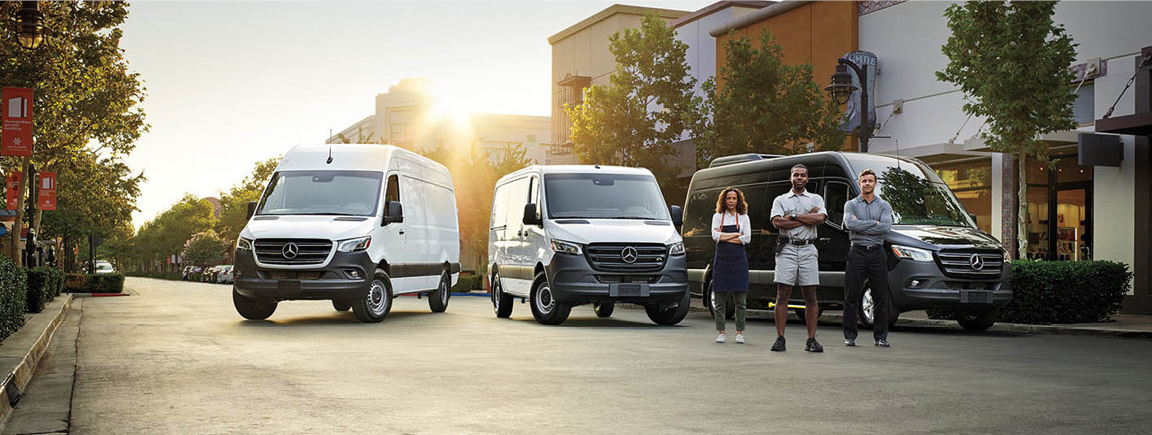
Three vans are the most common in the full-size commercial market: the Mercedes-Benz Sprinter, Ford Transit, and Ram ProMaster. Each has genuine strengths. But when you examine what matters most to commercial operators—fuel efficiency, service intervals, payload capacity, and long-term value retention—a clear picture emerges.
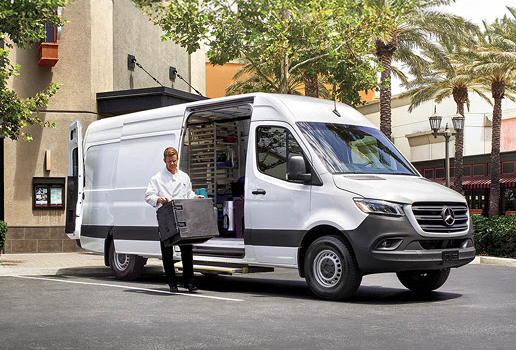
Why Experienced Fleet Operators Think Differently About Van Selection
First-time van buyers often focus on purchase price. Experienced fleet managers focus on total cost of ownership.
Consider a van that costs more upfront but delivers better fuel economy over 100,000 miles. Add extended service intervals that reduce shop visits. Factor in resale value that returns a significant portion of your investment when you sell. Suddenly, the "expensive" van becomes the economical choice.
This shift in thinking explains why the Mercedes-Benz Sprinter has dominated commercial fleets across Europe for decades—and why it continues gaining market share among U.S. businesses that prioritize long-term value over initial savings.
Fuel Efficiency That Compounds Over Years
The Sprinter's turbodiesel engine delivers fuel economy that gasoline competitors struggle to match. Real-world data from commercial operators shows Sprinter diesel models averaging 20-22 mpg in mixed driving conditions. The Ford Transit's gasoline V6 engines typically return 14-17 mpg. The Ram ProMaster's 3.6-liter V6 falls in a similar range at 15-17 mpg.
For a van covering 25,000 miles annually—common for service contractors across Gwinnett County and metro Atlanta—that efficiency difference represents substantial savings each year. Over a typical ownership period, fuel savings alone can offset a significant portion of the Sprinter's higher purchase price.
The diesel advantage extends beyond pure economy. Diesel engines deliver peak torque at lower RPMs, which means less strain when accelerating with heavy cargo loads. For contractors hauling equipment from Duluth to job sites in Braselton, Buford, or across I-85, that torque translates to confident performance without working the engine hard.
Service Intervals That Keep You Working
Every day your van sits in a service bay is a day you're not completing jobs or making deliveries. The Sprinter's diesel engine carries service intervals up to 20,000 miles between major maintenance appointments. The Ford Transit typically requires service every 7,500-10,000 miles. The Ram ProMaster follows 10,000-mile intervals.
For high-mileage commercial operations, this difference compounds meaningfully. A van covering 50,000 annual miles visits the shop roughly twice per year with a Sprinter—versus five or more visits with competitors following shorter intervals.
Mercedes-Benz of Atlanta Northeast has served commercial customers since 1975. The Duluth service center stocks Sprinter-specific parts and employs technicians trained on commercial van platforms. Express service options help minimize time off the road for businesses throughout Johns Creek, Suwanee, and the surrounding area.
Payload Capacity Where It Matters
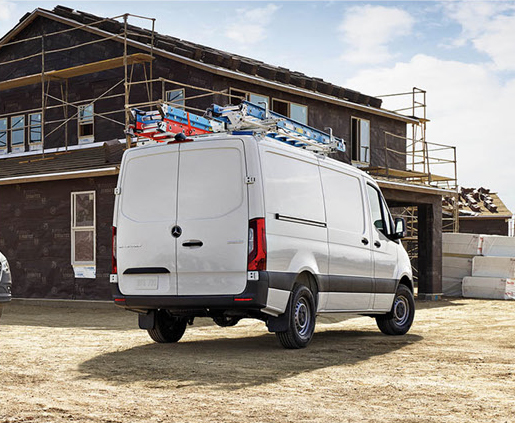
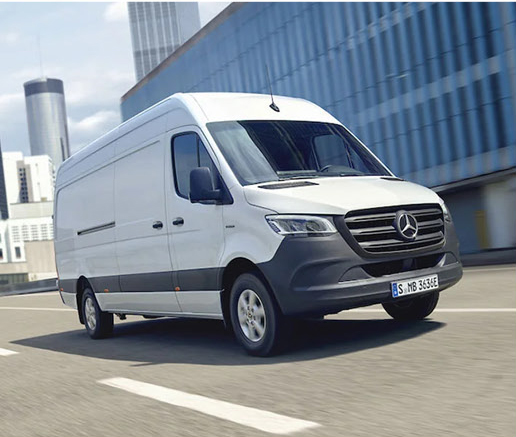
Specifications only matter if they translate to real-world capability. The Mercedes-Benz Sprinter 3500 offers maximum payload capacity up to 6,812 pounds—the highest in this comparison. The Ford Transit maxes out at approximately 5,110 pounds. The Ram ProMaster reaches 4,820 pounds.
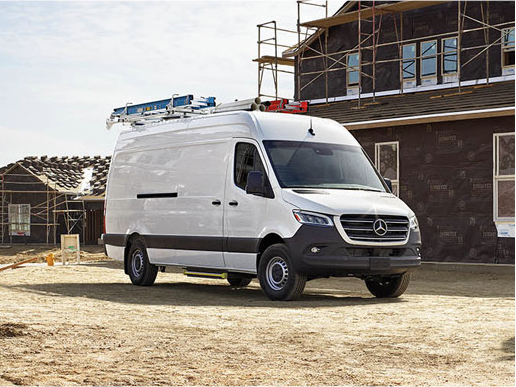
For HVAC contractors, plumbers, and electricians serving residential customers across Atlanta, this headroom proves valuable. Refrigerant tanks, condensing units, water heaters, and tool inventory add up quickly. Starting with more payload capacity means less concern about approaching limits on routine jobs.
The Sprinter also offers cargo volume up to 533 cubic feet in its largest configuration. Combined with 79.1 inches of interior standing height in High Roof models, technicians can work inside the vehicle without constant crouching—a genuine comfort factor over years of daily use.
Factory-Engineered 4x4 Capability
The Sprinter offers something neither competitor can match: a factory-engineered 4x4 system designed by Mercedes-Benz and backed by the full factory warranty.
This isn't an aftermarket conversion bolted onto a vehicle designed for pavement. Mercedes-Benz integrated the 4x4 system as part of the Sprinter platform, with increased ground clearance and automatic torque distribution between axles.
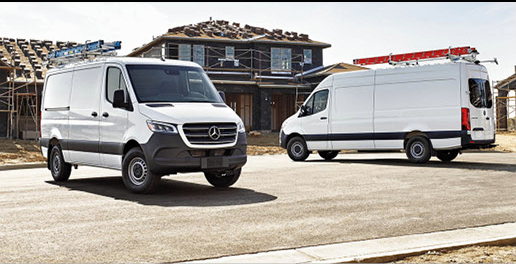
For commercial operators who encounter unpaved job sites, muddy construction areas, or Georgia's occasional winter weather, factory 4x4 provides genuine capability without warranty concerns. The Ford Transit offers available all-wheel drive—a different system that provides enhanced traction on slippery surfaces but isn't designed for true off-road use. The Ram ProMaster offers no all-wheel-drive or 4x4 option whatsoever.
Resale Value That Protects Your Investment
The van you buy today becomes the van you sell or trade in years from now. Resale value affects total cost of ownership more than most buyers realize.
The Mercedes-Benz Sprinter consistently commands strong resale values compared to competitors. Well-maintained Sprinters often retain 60-70% of their value after several years of commercial use—a retention rate that significantly reduces effective ownership costs.
Demand for used Sprinters remains high, particularly diesel models and 4x4 configurations. The van conversion market specifically seeks out Sprinter platforms, supporting prices even at higher mileages.
The Ford Transit holds value reasonably well but typically depreciates faster than the Sprinter. The Ram ProMaster shows the highest depreciation among the three, which means more value lost between purchase and sale.
When evaluating upfront costs, factor in what each van will be worth when you're ready to replace it. The Sprinter's higher purchase price often looks different when viewed through this lens.
Engineering Quality You Can Feel
Some differences only become apparent behind the wheel. The Sprinter's steering, suspension, and cabin refinement reflect Mercedes-Benz engineering standards applied to a commercial platform. Long-haul comfort reduces driver fatigue—a real consideration for businesses covering significant daily mileage across metro Atlanta and beyond.
Cabin materials hold up to commercial use while maintaining a professional appearance. The MBUX infotainment system provides voice-activated controls, navigation, and connectivity features that keep drivers focused on the road. Standard safety equipment includes Active Brake Assist and Crosswind Assist—particularly valuable for high-roof vans in windy conditions on I-85 and I-285.
The Transit and ProMaster offer capable platforms, but drivers frequently note the Sprinter's more refined driving experience. For business owners concerned about driver retention and satisfaction, this difference matters.
Acknowledging Trade-Offs Honestly
No vehicle excels at everything. Understanding trade-offs leads to better decisions. The Sprinter carries a higher purchase price than Transit or ProMaster. For businesses operating on tight margins with limited capital, this upfront cost presents a real consideration—even when long-term economics favor the Sprinter.
Mercedes-Benz parts and specialized service typically cost more per visit than domestic alternatives. The extended service intervals offset this difference for many operations, but businesses near capacity on cash flow should factor in higher per-service costs.
The Ford Transit offers the most powertrain flexibility, including available EcoBoost engines and all-wheel drive at lower price points than Sprinter 4x4. Ford's extensive dealer network provides service accessibility advantages, particularly in rural areas.
The Ram ProMaster's front-wheel-drive layout creates a completely flat cargo floor with no driveshaft tunnel—an advantage for certain van conversion applications. Its lower purchase price appeals to budget-conscious buyers willing to accept the trade-offs in efficiency and resale value.
For operations that prioritize lowest possible upfront cost over long-term value, these alternatives serve a purpose. For businesses thinking about total cost of ownership, the Sprinter's advantages become increasingly compelling.
Common Questions About Commercial Vans

Which commercial van has the best fuel economy: Sprinter,
Transit, or ProMaster?
The Mercedes-Benz Sprinter diesel delivers the best fuel economy, averaging 20-22 mpg in real-world commercial use. The Ford Transit and Ram ProMaster gasoline V6 engines typically return 14-17 mpg.
How long do Mercedes-Benz Sprinter vans last?
With proper maintenance, Sprinter diesel engines commonly exceed 300,000 miles in commercial service. Many fleet operators report Sprinters reaching 250,000-450,000 miles before major drivetrain work is needed.
Does the Mercedes-Benz Sprinter hold its value better than
Transit or ProMaster?
Yes. The Sprinter consistently commands stronger resale values than competitors. Well-maintained Sprinters often retain 60-70% of their value, reducing effective ownership costs over the vehicle's lifetime.
What is the service interval for a Mercedes-Benz Sprinter?
Sprinter diesel models follow Service A and Service B intervals, with major maintenance occurring every 20,000 miles. This extended interval reduces shop visits compared to Transit and ProMaster schedules of 7,500-10,000 miles.
Which cargo van has the highest payload capacity?
The Mercedes-Benz Sprinter 3500 offers the highest maximum payload at up to 6,812 pounds. The Ford Transit reaches approximately 5,110 pounds, and the Ram ProMaster offers up to 4,820 pounds.
Explore Sprinter Options at Mercedes-Benz of Atlanta Northeast
Understanding specifications is one thing. Experiencing the difference is another. The commercial team at Mercedes-Benz of Atlanta Northeast has served Atlanta-area businesses since 1975—nearly 50 years of understanding what commercial operators actually need from their vehicles. That experience translates to practical guidance on configurations, upfit options, and matching Sprinter capabilities to your specific operation. View current Sprinter inventory to see available configurations. The Duluth location on Boggs Road provides convenient access from I-85 for businesses throughout Gwinnett County, Forsyth County, Johns Creek, Suwanee, Buford, Braselton, and metro Atlanta.
For existing Sprinter owners, schedule service with technicians who understand commercial applications. Express service options help minimize downtime so you can get back to serving your customers.
The right commercial van becomes invisible in the best way—it simply works, every day, supporting your business without demanding attention. When you factor in fuel efficiency, service intervals, payload capacity, and resale value, the Sprinter makes a compelling case for operators who think beyond the sticker price.


