
Mercedes-Benz Sprinter Fuel Economy: Why Diesel Changes the Math for Georgia Businesses
By the Mercedes-Benz of Atlanta Northeast Team | Updated April 2026
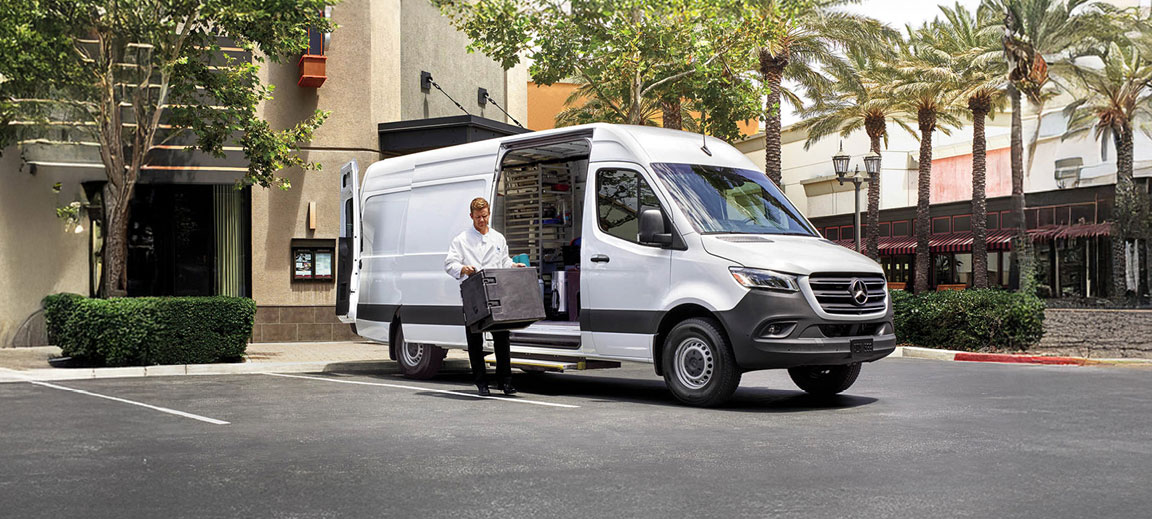
Fuel is the operating cost you pay every single day. Not once at purchase, not once a year at service, but on every route, every delivery, every shuttle run between Hartsfield-Jackson and your hotel lobby. For businesses running full-size vans across the Atlanta metro, the engine under the hood determines whether fuel is your second-largest expense or a manageable line item.
Here is the fact that reframes the conversation: the Mercedes-Benz Sprinter is the only full-size van sold in the United States that offers a diesel engine. Ford discontinued the Transit's diesel option after the 2019 model year. The Ram ProMaster has never offered one. For businesses where diesel efficiency matters, the Sprinter is the only full-size van in the U.S. that delivers it.
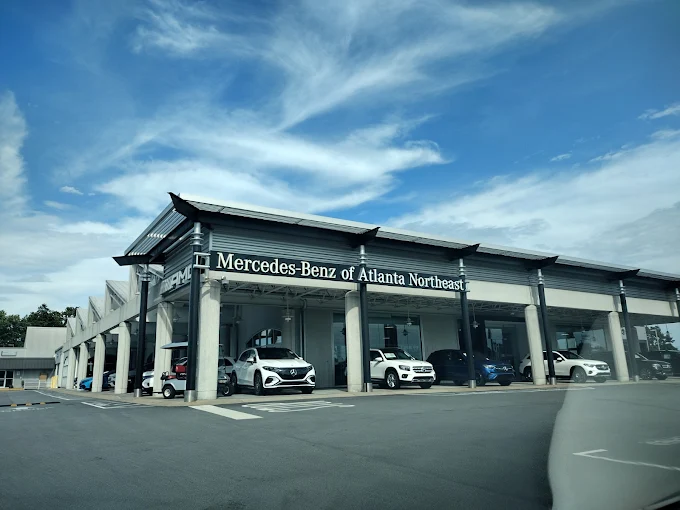
This guide breaks down real-world fuel economy expectations for the Sprinter's diesel engines, explains why diesel's torque characteristics favor commercial duty cycles, and compares fuel cost per mile against the gasoline-only competitors. Mercedes-Benz of Atlanta Northeast in Duluth, GA carries the full Sprinter lineup for businesses ready to see the difference in person.
Two Diesel Engines, One Efficiency Advantage
Both Sprinter powertrains deliver peak torque at 1,400 RPM, the exact range where stop-and-go commercial driving lives.
The Sprinter offers two versions of its 2.0-liter 4-cylinder turbo-diesel, both paired with the 9G-TRONIC 9-speed automatic transmission:
- Standard Output: 168 hp and 295 lb-ft of torque at 1,400 RPM, available with rear-wheel drive
- High Output: 208 hp and 332 lb-ft of torque at 1,400 RPM, available with rear-wheel drive or optional 4MATIC all-wheel drive
The EPA does not publish official fuel economy ratings for full-size commercial vans. However, based on estimates compiled across multiple automotive sources, the Sprinter diesel achieves approximately 15 to 21 MPG depending on configuration, load, and driving conditions. Highway-focused driving in lighter configurations can reach the higher end of that range, while fully loaded urban routes land closer to 15-17 MPG.
What makes these numbers significant is context. A diesel engine produces peak torque at low RPM, which is the operating range where commercial vans spend most of their working hours. When your driver accelerates from a stop at a traffic light on Pleasant Hill Road, merges onto 1-85, or pulls away from a loading dock in Buford, the Sprinter's engine is already delivering maximum pulling power without revving high. That means less fuel burned per acceleration event, multiplied across hundreds of stops per day.
Did you know?
The 9G-TRONIC 9-speed automatic transmission keeps the Sprinter's diesel engine operating in its most efficient RPM range across a wider band of speeds. More gears means the engine spends less time at high revs, which directly reduces fuel consumption on mixed urban-highway routes through Gwinnett County.

How the Sprinter's Diesel Compares to Gasoline Competitors
The Sprinter is the only diesel option in the segment, and the fuel cost difference compounds with every mile.
The Ford Transit and Ram ProMaster are competent commercial vans. Both seat and haul effectively. But both are powered exclusively by gasoline V6 engines, and that powertrain difference creates a measurable gap in operating cost over the life of the vehicle.
| Spec | Mercedes-Benz Sprinter | Ford Transit | Ram ProMaster |
|---|---|---|---|
| Engine Type | 2.0L 4-cyl turbo-diesel | 3.5L gas V6 | 3.6L gas V6 |
| Horsepower | 168/208 hp | 275/310 hp | 276 hp |
| Torque | 295/332 lb-ft | 260/400 lb-ft | 250 lb-ft |
| Torque Peak RPM | 1,400 RPM | 4,000/2,500 RPM | 4,000 RPM |
| Transmission | 9-speed auto | 10-speed auto | 9-speed auto |
| Est. Real-World MPG | 15-21 MPG | 13-17 MPG | 13-16 MPG |
| Diesel Available | Yes (standard) | No | No |
| Service Interval | 20,000 miles | ~7,500 miles | ~10,000 miles |
The torque peak RPM row tells the real efficiency story. The Sprinter delivers its maximum pulling force at 1,400 RPM. The Ford Transit's base V6 does not reach peak torque until 4,000 RPM, and the ProMaster's V6 peaks at 4,000 RPM as well. A gasoline engine that needs to rev nearly three times higher to deliver its best torque burns considerably more fuel during the constant acceleration cycles of commercial driving.
For a fleet van covering 25,000 miles per year on routes through the Atlanta metro, the Sprinter's fuel economy advantage translates to fewer gallons purchased:
- Sprinter at 18 MPG: approximately 1,389 gallons consumed per year
- Transit at 15 MPG: approximately 1,667 gallons consumed per year
- ProMaster at 14 MPG: approximately 1,786 gallons consumed per year
The Sprinter requires roughly 280 fewer gallons annually than the Transit and nearly 400 fewer than the ProMaster at equivalent mileage. How those saved gallons translate into dollar savings depends on the price relationship between diesel and regular gasoline at any given time. Across a multi-vehicle fleet, the gallons saved compound significantly over a five-year or longer ownership cycle regardless of the current fuel price spread.
Pro Tip:
Driving habits have a significant impact on real-world fuel economy in any full-size van. Reducing highway speed from 75 to 65 MPH can improve fuel efficiency by 10-15% in high-profile vehicles like the Sprinter. On regular routes along 1-85 or GA-400, that speed discipline meaningfully improves fuel economy across high-mileage commercial operations.
Why Diesel Durability Extends the Fuel Economy Advantage
Diesel engines are engineered for high-mileage commercial duty cycles, and the Sprinter's 20,000-mile service interval keeps the van on the road longer.
Fuel economy is not just about MPG. It is about how long the engine maintains that efficiency and how much downtime the vehicle requires for maintenance. Diesel engines are widely recognized for long-term durability under commercial use. The compression-ignition design and heavier internal components are built to withstand the sustained loads of daily commercial operation.
According to Mercedes-Benz, the Sprinter is engineered for 20,000-mile service intervals. Ford's commercial fleet guidance recommends Transit service intervals as frequently as every 7,500 miles under severe-duty conditions. The Ram ProMaster typically requires service at approximately 10,000-mile intervals. For a van running 25,000 miles per year, the Sprinter needs one to two service visits while the Transit needs up to three. Each avoided service appointment means one more day generating revenue instead of sitting in a shop.

The Sprinter's diesel also uses Diesel Exhaust Fluid (DEF) to meet EPA emissions standards. DEF is an affordable water-and-urea solution that needs periodic refilling, typically every few fuel fill-ups. This is a minor operating consideration, not a significant cost factor.
Key durability advantages of the Sprinter's diesel powertrain for commercial operations include:
- 20,000-mile service intervals reduce annual maintenance visits and vehicle downtime
- Diesel compression-ignition design is built for sustained high-mileage commercial use
- 9G-TRONIC transmission reduces engine strain by keeping RPMs low across a wider speed range
- Turbocharging delivers high torque from a smaller-displacement engine, reducing wear compared to larger naturally aspirated gas engines
Choosing the Right Sprinter Configuration for Fuel Efficiency
Wheelbase length, roof height, and engine output all affect real-world MPG, so match the configuration to your actual routes.
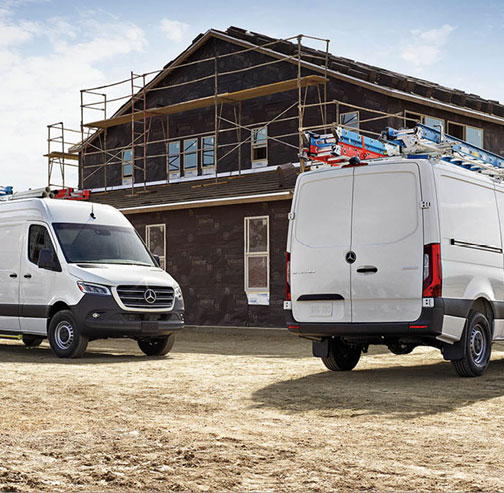
The Sprinter's fuel economy varies by configuration. Shorter, lighter configurations deliver better MPG, while longer wheelbases and heavier loads reduce it. Choosing the right setup for your operation means balancing cargo or passenger capacity against fuel efficiency.
| If Your Routes Look Like This | Consider This Configuration | Fuel Economy Impact |
|---|---|---|
| Urban delivery, frequent stops | 2500, 144" WB, Standard Roof | Lightest configuration, best MPG in stop-and-go |
| Mixed suburban-highway routes | 2500, 144" WB, High Roof | Slightly more aerodynamic drag, but versatile |
| Long-distance shuttle or transport | 2500, 170" WB, High Roof | Longer wheelbase adds stability but slightly reduces MPG |
| Heavy payload hauling | 3500 or 3500XD, High Output | Higher GVWR, diesel torque handles load efficiently |
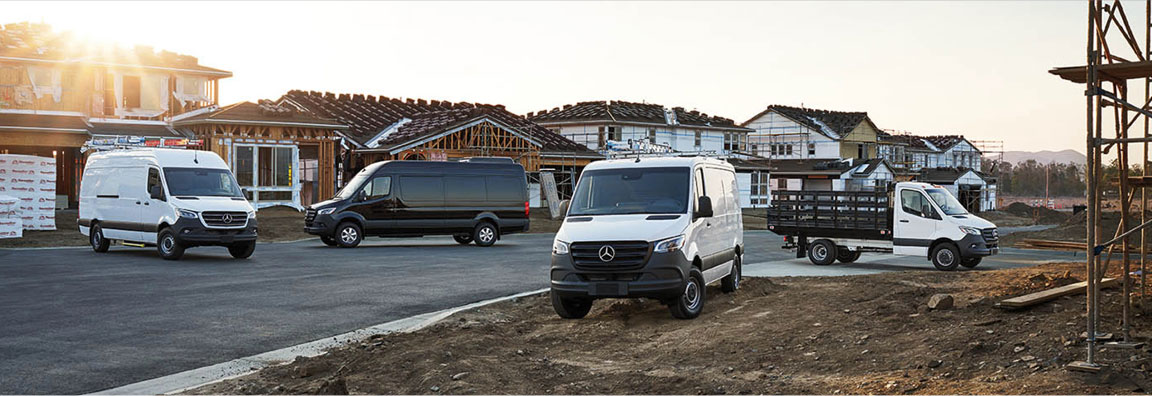
The Sprinter lineup includes Cargo, Crew, Passenger, and Cab Chassis body types, each available in multiple wheelbase and roof combinations. Fleet managers exploring current Sprinter specials can find the configuration that best matches their route profiles and fuel budget.
Experience the Sprinter's Diesel Efficiency at Mercedes-Benz of Atlanta Northeast
Numbers on a page tell part of the story. The rest happens behind the wheel. When you drive a loaded Sprinter through stop-and-go traffic on Satellite Boulevard and then merge onto 1-85, the diesel's low-RPM torque delivery feels fundamentally different from a gasoline V6 that has to rev hard to pull the same weight.
Mercedes-Benz of Atlanta Northeast has served the greater Atlanta community since 1975 and carries the complete Sprinter lineup. Watch a video tour of the Sprinter models available on the lot, or call 770-574-6264 to schedule a test drive at 1705 Boggs Road in Duluth, GA.
Apply for Commercial FinancingFrequently Asked Questions
The EPA does not publish official fuel economy ratings for full-size commercial vans. Based on estimates from multiple automotive sources, the Sprinter diesel achieves approximately 15 to 21 MPG depending on configuration, load, and driving conditions. Lighter configurations on highway routes can reach the higher end, while fully loaded urban driving lands closer to 15-17 MPG.
Yes. The Sprinter is the only full-size van sold in the United States that currently offers a diesel engine. Ford discontinued the Transit's diesel option after 2019, and the Ram ProMaster has never offered diesel. Both competitors now offer only gasoline V6 engines.
For a fleet van running 25,000 miles per year, the Sprinter at 18 MPG consumes approximately 1,389 gallons annually while the Ford Transit at 15 MPG consumes approximately 1,667 gallons. The Sprinter saves roughly 280 gallons per year at equivalent mileage. How those gallons translate to dollar savings depends on the diesel vs. regular gasoline price spread at any given time, but the volume advantage compounds across multi-vehicle fleets and multi-year ownership cycles.
Diesel engines deliver peak torque at low RPM. The Sprinter produces maximum torque at just 1,400 RPM, while competing gasoline engines peak at 4,000 RPM. In stop-and-go commercial driving, the diesel engine reaches full pulling power without revving high, burning less fuel per acceleration event across hundreds of daily stops.
According to Mercedes-Benz, the Sprinter is engineered for 20,000-mile service intervals. Ford's commercial fleet guidance recommends Transit service intervals as frequently as every 7,500 miles under severe-duty conditions. For a van running 25,000 miles per year, this means the Sprinter requires fewer annual service visits and more revenue-generating days on the road.
Yes. The Sprinter uses DEF to meet EPA emissions standards. DEF is an affordable water-and-urea solution that requires periodic refilling, typically every few fuel fill-ups. It is a minor cost consideration for commercial operations.
Mercedes-Benz of Atlanta Northeast in Duluth, GA carries the complete Sprinter lineup at 1705 Boggs Road with direct access to 1-85. The dealership serves businesses across Atlanta, Buford, Braselton, and Gwinnett County. Call 770-574-6264 to schedule a test drive.


