
.png)
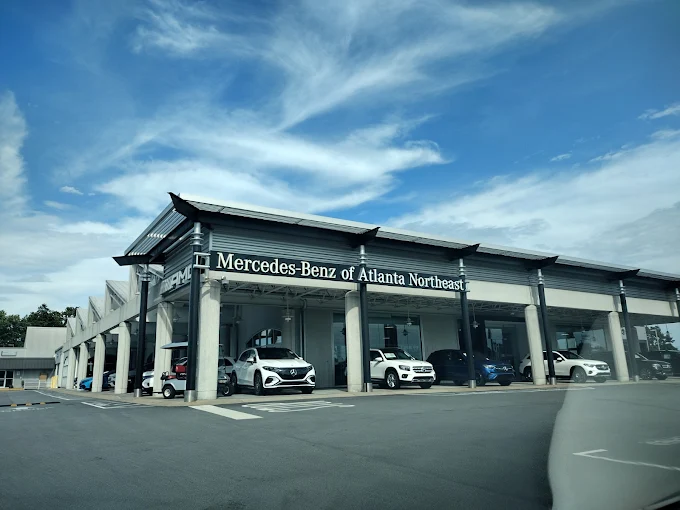
Mercedes-Benz Service Tips Before a Drive on I-75 to Macon in Duluth, GA | Mercedes-Benz of Atlanta Northeast
Posted at Wed, Jun 3, 2026 3:18 PM
That 103-mile stretch from Duluth, GA to Macon demands more from your Mercedes-Benz than your typical commute around Gwinnett Place Mall or Lake Lanier. Whether you're heading south for business or pleasure, proper vehicle preparation transforms a routine highway journey into the refined driving experience Mercedes-Benz engineers intended. We've serviced thousands of vehicles preparing for this exact route, and certain maintenance checks consistently make the difference between a confident cruise and unnecessary roadside stress.
Understanding Your Mercedes-Benz Systems for Highway Performance
Your Mercedes-Benz operates as an integrated network of sophisticated systems, each calibrated to deliver optimal performance when properly maintained. The journey from Duluth through Atlanta's southern suburbs and into Central Georgia presents unique demands - sustained high-speed cruising, elevation changes near McDonough, and temperature variations that can span 15 degrees between departure and arrival.
Modern Mercedes-Benz vehicles monitor themselves through dozens of sensors, but these systems work best when complemented by attentive ownership. The E-Class, for instance, uses predictive diagnostics that can alert you to potential issues days before they become problems. Similarly, the GLE's advanced suspension management systems continuously adjust to road conditions, but only when fluid levels and tire pressures support their operation.
Pro tip: Reset your trip computer before departing to monitor real-time fuel efficiency. Most Mercedes-Benz models achieve their best highway economy between 65-70 mph - valuable information for the long stretches of I-75 south of Atlanta.
Regular service intervals matter more for highway driving than city commutes. High-speed operation generates more heat, places greater demands on cooling systems, and requires optimal brake performance for those sudden traffic slowdowns near the I-675 interchange.
Critical Fluid Checks That Protect Your Investment
Mercedes-Benz engineers specify precise fluid requirements for each model, and these specifications become crucial during extended highway drives. Your vehicle's fluids do more than lubricate - they transfer heat, maintain pressure, and protect sophisticated components from wear.
Essential Fluid Inspection Points:
- Engine oil level and condition
- Coolant concentration and level
- Brake fluid clarity and moisture content
- Power steering fluid (if applicable)
- Windshield washer fluid topped off
- Transmission fluid condition
Engine oil degrades faster during sustained highway speeds, where your engine maintains higher operating temperatures. Mercedes-Benz synthetic oil formulations handle this stress well, but only when levels remain optimal. A quart low might seem minor, but it represents a 20-25% reduction in your engine's cooling and lubricating capacity.
Coolant deserves special attention for Georgia drivers. Our humid climate accelerates coolant degradation, and that climb from Duluth's 1,150-foot elevation through Atlanta's rolling terrain places extra demands on your cooling system. Mercedes-Benz specifies MB 325.0 coolant for most models - using anything else risks corrosion and reduced heat transfer.
Browse our new inventory to see models with the latest fluid monitoring technology.
Mercedes-Benz Brake System Preparation for I-75 Traffic
Interstate 75 through metro Atlanta presents unpredictable traffic patterns that demand peak brake performance. Your Mercedes-Benz brake system uses advanced materials and designs that excel when properly maintained, but highway driving between Duluth and Macon creates specific challenges worth addressing.
Mercedes-Benz brake pads contain sophisticated compounds that operate within specific temperature ranges. City driving rarely pushes these limits, but descending through Jonesboro while maintaining highway speeds can generate significant heat. When brake pads wear below 4mm thickness, their ability to dissipate this heat diminishes dramatically.
Pre-Trip Brake Inspection Checklist:
- Brake pad thickness (minimum 4mm recommended)
- Rotor surface condition and thickness
- Brake fluid color and level
- Pedal feel and travel distance
- Unusual noises during application
- Warning light functionality
The C-Class and CLA models feature smaller brake components optimized for efficiency, making pre-trip inspections especially important. Larger vehicles like the GLS use massive rotors that handle heat well but require more frequent fluid changes due to the higher volumes involved.
Tire Safety and Pressure Optimization
Nothing connects your Mercedes-Benz to I-75's asphalt more directly than your tires, yet they're often the most overlooked component during trip preparation. Proper tire pressure affects everything from fuel economy to emergency handling capability.
Mercedes-Benz calculates recommended pressures based on specific load conditions. That figure on your door jamb assumes normal passenger loads - add luggage for your Macon trip, and pressures should increase by 2-3 PSI. The GLC, popular among Duluth families, shows a 5% improvement in highway fuel economy with properly adjusted pressures.
Georgia's temperature swings affect tire pressure significantly. Early morning departures from Johns Creek or Suwanee might show correct pressures, but afternoon temperatures can increase pressure by 4-5 PSI. Your Mercedes-Benz TPMS (Tire Pressure Monitoring System) alerts you to significant variations, but optimal performance requires manual checks.
Did you know? Mercedes-Benz recommends checking tire pressure when tires are cold - meaning the vehicle hasn't been driven for at least three hours. This ensures accurate readings unaffected by heat buildup.
Tread depth matters more on I-75 than local roads around Mall of Georgia. Highway speeds reduce your available stopping distance, and worn tires exponentially increase risks during Georgia's sudden thunderstorms. The penny test works, but 4/32" tread depth provides a safer margin for highway travel.
Battery and Electrical System Verification
Your Mercedes-Benz electrical system orchestrates dozens of safety and comfort features simultaneously. From adaptive cruise control managing your speed through Stockbridge to the climate system maintaining comfort, reliable electrical power ensures these systems function properly during your journey to Macon.
Modern Mercedes-Benz batteries face greater demands than traditional automotive batteries. The S-Class, for example, powers up to 100 different control modules, each drawing power even when parked. Georgia's heat accelerates battery degradation - we typically see 3-4 year lifespans compared to 5-6 years in cooler climates.
Check out our pre-owned inventory for models with recently serviced electrical systems.
Electrical System Health Indicators:
- Battery voltage (12.6V minimum when engine off)
- Clean, corrosion-free terminals
- Secure battery mounting
- Alternator output within specifications
- No warning lights on dashboard
- All accessories functioning normally
Starting problems rarely announce themselves before long trips. That marginal battery might start your E-Class for months around Peachtree Corners but fail after sitting in Macon's heat. Professional testing identifies marginal batteries before they strand you far from home.
Climate Control and Comfort Features
Georgia's weather along I-75 can shift dramatically, making your Mercedes-Benz climate control system essential for comfort and safety. Proper system operation goes beyond simple cooling - it manages humidity, filters air quality, and prevents window fogging that obscures visibility.
The stretch from Duluth through Atlanta to Macon crosses multiple climate zones. Morning fog near Lake Lanier gives way to urban heat islands around Atlanta, then to agricultural humidity south of Griffin. Your Mercedes-Benz automatic climate control adapts to these changes, but only when properly serviced.
Climate System Maintenance Points:
- Cabin air filter condition (replace if over 12 months old)
- A/C cooling performance at idle and highway speeds
- Proper airflow from all vents
- Unusual odors indicating bacterial growth
- Refrigerant pressure within specifications
The GLE and GLS models use dual-zone or tri-zone systems requiring balanced refrigerant charges. Undercharged systems work harder, reducing fuel economy and potentially damaging expensive compressors. That musty smell when first starting your A/C indicates bacterial growth in the evaporator - treatable but best prevented through regular service.
Technology and Safety Systems Calibration
Mercedes-Benz safety technology saves lives, but these systems require proper calibration and maintenance to function correctly. Your journey on I-75 benefits from features like Active Brake Assist, Blind Spot Monitoring, and Adaptive Cruise Control - when they're working properly.
Did you know? Mercedes-Benz vehicles use cameras, radar, and ultrasonic sensors that require clean surfaces to function. A dirty windshield or sensor can disable critical safety features without warning.
DISTRONIC adaptive cruise control transforms highway driving, maintaining safe following distances automatically. However, sensor alignment affects system performance. That minor parking lot bump near Sugarloaf Mills might seem cosmetic, but misaligned sensors can cause false warnings or system shutdowns.
Safety System Verification:
- ✓ All warning lights extinguish after startup
- ✓ Camera lenses clean and unobstructed
- ✓ Radar sensors free from dirt or damage
- ✓ Lane keeping assist responds appropriately
- ✓ Parking sensors activate when expected
Schedule service if any safety systems show inconsistent operation.
Emergency Kit and Roadside Preparedness
Even perfectly maintained Mercedes-Benz vehicles can encounter unexpected situations. Smart preparation means carrying essential items for common roadside scenarios between Duluth and Macon.
Your Mercedes-Benz includes basic emergency equipment, but Georgia-specific additions make sense. Summer thunderstorms can reduce visibility to near zero, making reflective triangles invaluable. Winter cold snaps, though rare, catch unprepared drivers off guard.
Recommended Emergency Kit Contents:
- Mercedes-Benz approved tire sealant
- Jumper cables or portable jump starter
- Basic tool kit with common sizes
- Flashlight with fresh batteries
- First aid supplies
- Phone charger cable
- Water bottles
- Reflective safety triangles
Roadside assistance covers major issues, but minor problems solved quickly get you moving faster. That slow leak from a nail near Forsyth might seal temporarily with proper sealant, saving hours waiting for help.
Common Questions About Mercedes-Benz Service Before I-75 Travel in Duluth, GA
How often should I service my Mercedes-Benz if I regularly drive I-75 from Duluth, GA?
Mercedes-Benz models following Flexible Service System (FSS) typically require service every 10,000 miles or 1 year for regular highway driving from Duluth. However, frequent I-75 travel with its stop-and-go Atlanta traffic may trigger earlier service indicators. Monitor your dashboard service countdown and follow its recommendations for optimal performance.
What's the most important service check before driving my Mercedes-Benz to Macon?
Tire condition and pressure rank as the most critical safety check before your I-75 journey from Duluth to Macon. Properly inflated tires with adequate tread depth ensure safe handling, optimal fuel economy, and reduced risk of failures during the 103-mile trip. Check pressures when cold and inspect for uneven wear patterns.
Does Mercedes-Benz of Atlanta Northeast offer pre-trip inspection services?
Yes, Mercedes-Benz of Atlanta Northeast provides comprehensive multi-point inspections ideal for drivers planning trips on I-75. Our certified technicians examine all critical systems, from fluid levels to safety technology calibration. These inspections identify potential issues before they interrupt your travel plans to Macon or beyond.
Should I use different oil for highway driving in my Mercedes-Benz?
Mercedes-Benz engines require specific oil grades regardless of driving conditions - highway or city. However, ensuring you have the correct MB-approved synthetic oil becomes more critical for sustained I-75 speeds. Check your owner's manual for the exact specification, typically 0W-40 or 5W-30 for most current models.
How do I know if my Mercedes-Benz battery can handle a round trip to Macon, GA?
A battery testing at 12.6 volts or higher when cold indicates good health for your Duluth to Macon round trip. However, batteries over three years old in Georgia's climate warrant professional load testing. Warning signs include slow cranking, dimming lights, or electronic glitches that suggest marginal battery performance.
What Mercedes-Benz models handle I-75 traffic best for regular commutes?
The E-Class and GLE excel at I-75 highway driving with their refined powertrains and advanced driver assistance systems. Both offer excellent fuel economy for their segments, comfortable seating for extended drives, and sophisticated safety technology that reduces driver fatigue during Atlanta traffic congestion.
Your Mercedes-Benz Deserves Expert Care Before the Journey
Preparing your Mercedes-Benz for the drive from Duluth to Macon involves more than checking the gas gauge. Each system we've discussed plays a vital role in delivering the safe, comfortable, and confident driving experience you expect. Whether you're piloting a nimble C-Class through Atlanta traffic or cruising in a spacious GLS, proper maintenance ensures your vehicle performs at its peak when you need it most. The team at Mercedes-Benz of Atlanta Northeast understands these vehicles inside and out, providing the expertise and genuine parts that keep your investment running flawlessly for every journey ahead.


