
Mercedes-Benz Maintenance Tips for High-Mileage Commuters in Duluth, GA
Posted at Thu, May 7, 2026 2:32 PM
Your Mercedes-Benz® faces unique challenges when logging thousands of miles on I-85 and Highway 316 each month - here's how to keep it performing like the precision machine it was designed to be. Mercedes-Benz maintenance tips for high-mileage commuters in Gwinnett County start with understanding that luxury vehicles require specialized care, especially when you're putting serious miles on them navigating from Duluth, GA through Atlanta's demanding traffic patterns. This guide delivers practical strategies that protect your investment while ensuring your daily drives remain as refined as the day you first experienced that distinctive Mercedes-Benz quality.
Understanding High-Mileage Impact on Your Mercedes-Benz
Mercedes-Benz engines can easily surpass 200,000 miles with proper care, but the wear patterns differ significantly between a weekend cruiser and a daily commuter grinding through stop-and-go traffic near Mall of Georgia.
The sophisticated engineering in your E-Class or GLC requires more attention when you're logging 20,000+ miles annually. Heat cycling becomes more frequent. Fluids degrade faster. Components that typically last years on low-mileage vehicles need earlier replacement.
Did you know? Mercedes-Benz synthetic oil formulations maintain viscosity 40% longer than conventional oils, but heavy commuting in Georgia's summer heat can still reduce effectiveness by up to 25%.
Your driving environment matters too. The elevation changes between Suwanee and downtown Atlanta create additional strain on cooling systems. Frequent merging onto I-985 demands more from your transmission than steady highway cruising.
What this means for high-mileage Mercedes-Benz owners:
- Oil changes move from 10,000-mile intervals to 5,000-7,500 miles
- Transmission services become critical at 40,000 miles instead of 60,000
- Brake fluid replacement annually rather than bi-annually
- Air filter changes every 15,000 miles in dusty conditions
The good news? Mercedes-Benz builds these vehicles to handle exactly this kind of use when maintained properly.
Essential Maintenance Schedule Adjustments for Gwinnett County Commuters
Standard Mercedes-Benz maintenance intervals assume average driving conditions - but navigating from Berkeley Lake through Peachtree Corners during rush hour hardly qualifies as average.
| Service Item | Standard Interval | High-Mileage Adjustment | Gwinnett-Specific Notes |
|---|---|---|---|
| Engine Oil | 10,000 miles | 5,000-7,500 miles | Summer heat + traffic accelerates breakdown |
| Transmission Fluid | 60,000 miles | 40,000 miles | Stop-and-go on Buford Highway demands earlier service |
| Brake Pads | 50,000 miles | 30,000-35,000 miles | Hilly terrain around Lake Lanier increases wear |
| Air Filter | 30,000 miles | 15,000-20,000 miles | Construction dust on Pleasant Hill Road |
| Coolant | 150,000 miles | 100,000 miles | Heat stress from extended idling |
Your C-Class handling the daily trek to Hartsfield-Jackson needs different care than one making occasional trips to Lenox Square. The key is adjusting maintenance frequency based on your actual driving patterns, not just mileage.
Pro tip: Track your fuel economy weekly. A sudden drop often signals the need for air filter replacement or fuel system cleaning before other symptoms appear.
Consider keeping a simple log of your driving conditions. Note weeks with heavy traffic, extreme temperatures, or frequent short trips. This data helps predict when services are actually needed versus following generic schedules.
Critical Fluids That Need Extra Attention
High-mileage Mercedes-Benz vehicles live or die by their fluids - and Georgia's climate creates unique challenges for each system.
Engine Oil: Your First DefenseMercedes-Benz specifies 0W-40 or 5W-40 synthetic oil for most models, but viscosity selection becomes critical for high-mileage commuters. The temperature swings between morning starts in Johns Creek and afternoon returns through Norcross can span 30 degrees.
MB 229.5 specification oil provides:
- Superior thermal stability during extended idle periods
- Better protection during cold starts at Chattahoochee River overlooks
- Reduced deposit formation in direct-injection engines
That smooth-shifting 9G-TRONIC transmission in your E-Class relies on ATF meeting MB 236.14 specifications. High-mileage use accelerates fluid oxidation, leading to harsh shifts and premature wear.
Signs you need transmission service:
- Delayed engagement when leaving Sugarloaf Mills parking lots
- Rough downshifts approaching Singleton Road exit
- Transmission temperature warnings during summer traffic
Mercedes-Benz brake fluid absorbs moisture over time, reducing boiling point and compromising performance. Annual replacement becomes essential when you're frequently descending from Duluth toward the Chattahoochee.
Browse our new inventory to see models with the latest brake technology designed for demanding commutes.
Mercedes-Benz Engine Care for 100,000+ Mile Vehicles
Mercedes-Benz engines routinely achieve 200,000+ miles, but reaching that milestone requires strategic care once you pass the 100,000-mile mark.
Carbon Buildup ManagementDirect injection engines in the C-Class and GLC develop carbon deposits on intake valves - a condition accelerated by extended idling in traffic. By 60,000 miles, performance degradation becomes noticeable.
Symptoms of carbon buildup:
- Rough idle at Infinite Energy Center traffic lights
- Reduced power merging onto I-285
- Increased fuel consumption
- Check engine light for misfires
Professional walnut blasting service every 40,000-50,000 miles prevents major issues. Some high-mileage owners add fuel system cleaners every 5,000 miles as preventive maintenance.
Cooling System VigilanceGeorgia summers push cooling systems hard. The combination of ambient heat and stop-and-go traffic near Town Center at Cobb creates perfect conditions for cooling system failure.
High-Mileage Cooling Checklist
- ✓ Inspect hoses every oil change
- ✓ Replace thermostat at 100,000 miles
- ✓ Flush coolant every 50,000 miles
- ✓ Check electric fan operation monthly
- ✓ Monitor coolant level weekly
Spark plugs and coil packs endure more stress in high-mileage applications. While Mercedes-Benz plugs typically last 60,000 miles, commuter vehicles benefit from 40,000-mile replacement intervals.
Protecting Your Mercedes-Benz Interior During Daily Commutes
Extended time in your Mercedes-Benz means interior wear becomes a real concern - but proper care keeps that cabin looking showroom fresh through hundreds of thousands of miles.
Leather Care Essentials| Surface Type | Cleaning Frequency | Conditioning | Protection |
|---|---|---|---|
| MB-Tex | Weekly | Not required | UV protectant monthly |
| Nappa Leather | Bi-weekly | Every 2 months | Leather guard quarterly |
| Designo Leather | Weekly | Monthly | Professional treatment annually |
Driver's seat bolsters take the most abuse. Apply extra conditioner to these high-wear areas, especially if you're getting in and out multiple times daily at Gwinnett Place Mall or Forum on Peachtree Parkway.
Technology PreservationYour MBUX system and command center need protection from Georgia's temperature extremes. Use windshield shades when parked at Coolray Field. Keep screens clean with appropriate cleaners - fingerprints accelerate screen degradation.
Pro tip: Program your climate control to start remotely. Pre-cooling or heating reduces thermal stress on interior components and extends their lifespan.
When to Seek Professional Mercedes-Benz Service
Some maintenance tasks demand factory-trained expertise, especially on high-mileage vehicles where precision becomes critical.
Services Requiring Certified Technicians:- Transmission adaptations after fluid changes
- Airmatic suspension recalibration
- Engine control unit updates
- Brake system bleeding with SBC or ABC systems
- Battery registration on newer models
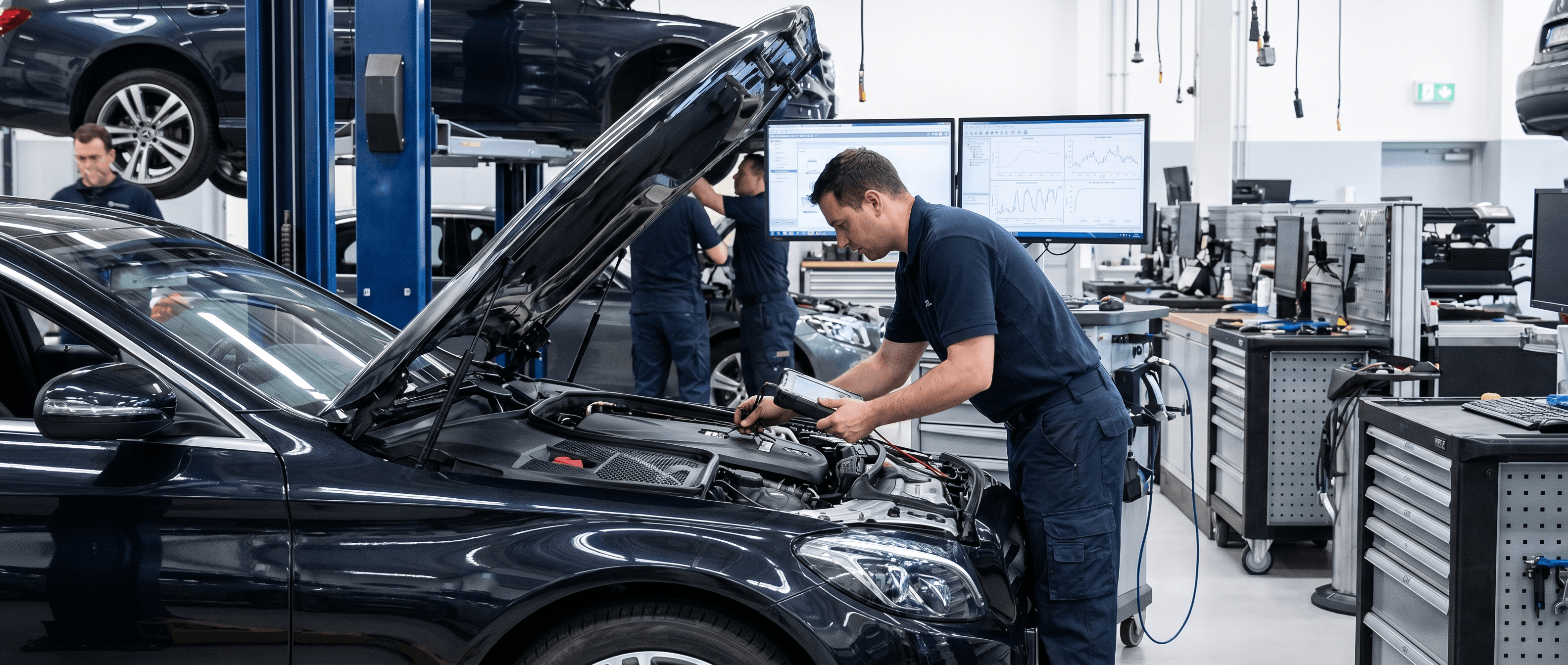
Your GLE navigating Peachtree Industrial Boulevard daily can't afford amateur mistakes. Factory diagnostic equipment catches issues before they become expensive failures.
Signs it's time to schedule service include unusual noises when starting cold, warning messages that appear intermittently, or any change in your vehicle's normal behavior. High-mileage Mercedes-Benz vehicles often communicate problems subtly before major failures.
The sophisticated systems in your S-Class or E-Class require regular software updates too. These updates improve efficiency and address known issues - but only authorized service centers have access to the latest versions.
Common Questions About Mercedes-Benz Maintenance in Duluth, GA
How often should I service my Mercedes-Benz if I commute from Duluth to Atlanta daily?
Daily commuters should follow Severe Service Schedule B, which means oil changes every 5,000 miles and comprehensive inspections every 10,000 miles. The stop-and-go traffic on I-85 and local roads like Pleasant Hill creates conditions requiring more frequent service than highway driving.
What's the most critical maintenance for a Mercedes-Benz with over 100,000 miles?
Transmission service becomes the highest priority for Mercedes-Benz vehicles exceeding 100,000 miles, followed closely by cooling system maintenance and suspension component inspection. These systems experience accelerated wear in high-mileage applications and can lead to costly failures if neglected.
Does the humid Georgia climate affect my Mercedes-Benz maintenance schedule?
Georgia's humidity accelerates brake fluid contamination and can cause premature air filter clogging, requiring annual brake fluid changes and air filter replacement every 15,000-20,000 miles. The moisture also affects rubber components, making regular inspection of hoses and seals essential.
Should I use aftermarket parts for my high-mileage Mercedes-Benz?
Genuine Mercedes-Benz parts maintain critical tolerances and specifications that become even more important as vehicles age and accumulate miles. While some aftermarket options work for basic items like air filters, crucial components like sensors, ignition parts, and transmission components should always be OEM.
How can I maximize my Mercedes-Benz engine life in Gwinnett County?
Consistent oil changes with MB-approved synthetic oil, proper warm-up before hard acceleration, and avoiding extended idling protect your engine best in Gwinnett County conditions. Additionally, addressing small issues immediately prevents cascade failures common in high-mileage vehicles.
What are warning signs my high-mileage Mercedes-Benz needs immediate attention?
Watch for rough idle, transmission slipping, unusual noises during cold starts, warning lights that appear briefly, or any fluid leaks beneath your vehicle. These symptoms often indicate developing problems that become major repairs if ignored, especially in vehicles with significant mileage.
Your High-Mileage Mercedes-Benz Deserves Expert Care
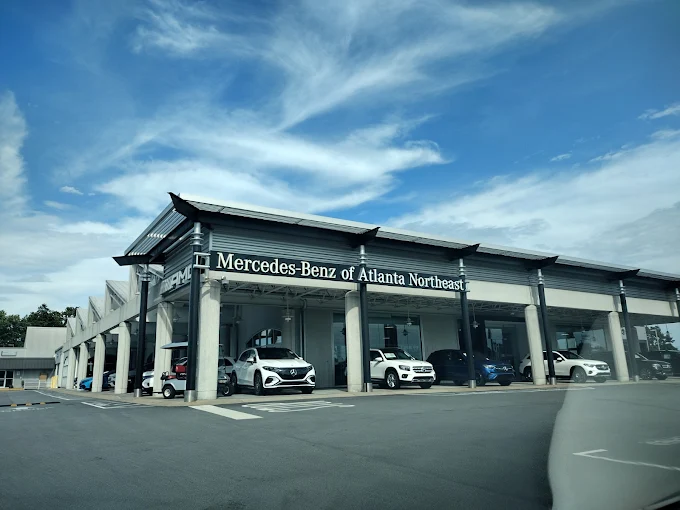
Maintaining a high-mileage Mercedes-Benz through demanding Gwinnett County commutes requires dedication, but the reward is a vehicle that continues delivering the performance and luxury you expect. Whether your E-Class tackles the daily grind to Perimeter Center or your GLC navigates family duties around Suwanee, proper maintenance transforms potentially stressful miles into confident journeys. The team at Mercedes-Benz of Atlanta Northeast understands the unique challenges facing high-mileage commuters in our area and provides the specialized expertise your vehicle deserves.


