

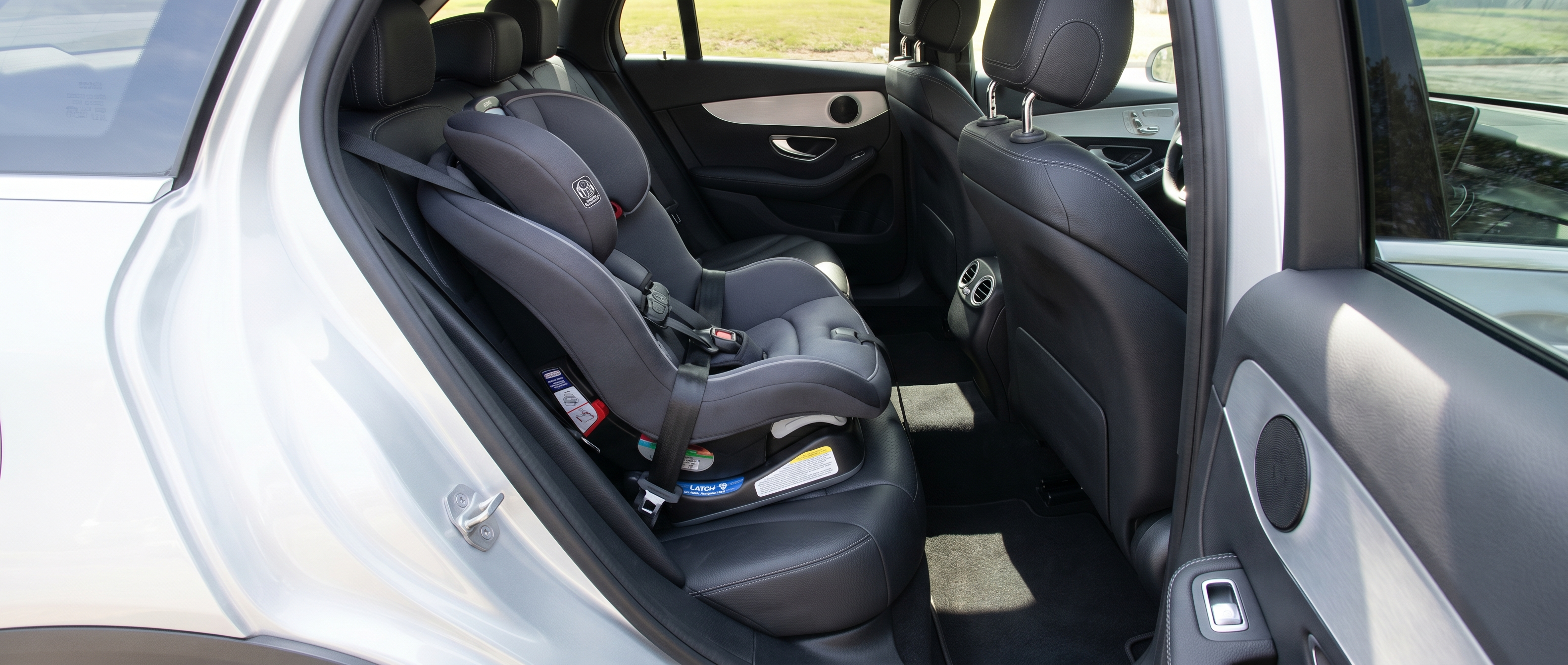
Mercedes-Benz Child Seat Anchors Explained: Your Family Safety Guide in Duluth, GA
Posted at Wed, Jun 10, 2026 1:33 AM
Child seat anchors in Mercedes-Benz® vehicles use the LATCH (Lower Anchors and Tethers for Children) system with reinforced anchor points rated for up to 65 pounds of combined child and seat weight. Understanding how to properly use these anchors in your Mercedes-Benz in Duluth, GA means mastering three key components: lower anchors hidden between seat cushions, top tether anchors behind rear seats, and the specific configuration that varies by model year and seating position.
Understanding Mercedes-Benz LATCH System Components
Your Mercedes-Benz comes equipped with metal anchor bars positioned precisely 11 inches apart in the seat bight - that's the crack where the seat back meets the bottom cushion. These aren't just simple hooks; they're engineered attachment points that undergo rigorous testing to exceed federal safety standards by significant margins. The system works in harmony with your vehicle's airbag sensors and seatbelt pretensioners to create multiple layers of protection.
The beauty of the Mercedes-Benz LATCH implementation lies in its thoughtful engineering. Unlike some vehicles where finding anchors feels like a treasure hunt, Mercedes-Benz marks each anchor location with clear symbols. The lower anchors feature a standardized child seat icon, while top tether points display an anchor symbol with a child figure.
Each seating position in your Mercedes-Benz has been analyzed for optimal child seat placement. The outboard (window) seats typically offer the most straightforward installation, with easy access to both lower anchors and top tethers. Some models even include LATCH anchors in the center position, though this varies by vehicle class and model year.
Did you know? Mercedes-Benz was among the first luxury brands to exceed federal LATCH requirements by engineering anchor points that maintain their integrity even in severe offset crashes - the kind that challenge traditional safety systems most.
Locating Anchor Points in Popular Mercedes-Benz Models
The GLC and GLE models place their lower anchors in slightly recessed areas between leather seat sections, making them easy to access without removing seat cushions. You'll find these anchors about two inches into the seat crack, positioned at the standard 11-inch spacing. The top tether anchors in these SUVs are located on the back of the rear seats, clearly marked and accessible even with cargo in place.
LATCH Anchor Locations by Model:| Model | Lower Anchor Access | Top Tether Location | Center Seat LATCH |
|---|---|---|---|
| GLC | Visible gaps between cushions | Seatback, clearly marked | Not available |
| GLE | Slightly recessed cups | Behind headrests | Not available |
| C-Class | Between leather piping | Lower seatback | Sedan: No, Wagon: Yes |
| E-Class | Easy-access openings | Rear shelf (sedan) | Selected models only |
| GLS | Wide-open design | Multiple positions | Yes, all rows |
For families in Duluth navigating between Mall of Georgia and home, the E-Class sedan presents unique considerations. The top tether anchors are located on the rear shelf behind the seats, which means you'll need to route the tether strap between the headrest posts. This design actually provides excellent stability once installed correctly.
Pro tip: Before your first installation, sit in your Mercedes-Benz with the owner's manual and physically locate each anchor point. Spend five minutes familiarizing yourself with their exact positions - this investment pays off during those hurried morning installations.
The GLB deserves special mention for growing families. This model offers LATCH anchors in all three rows, though the third row anchors are best suited for older children in booster seats due to space constraints.
Step-by-Step Installation Process
Step 1: Position Your Child Seat
Place the car seat squarely on your chosen seating position. The seat should sit flat against the Mercedes-Benz leather without any objects underneath. Even a forgotten toy can compromise the installation.
Step 2: Locate and Attach Lower Anchors
Thread the lower anchor straps through the designated path on your child seat. Push the seat firmly toward the rear of the vehicle while clicking each hook onto its anchor. You should hear distinct clicks from both sides.
Step 3: Tighten with Proper Technique
Place your knee in the child seat and press down with your body weight. While maintaining pressure, pull the LATCH strap tight. The seat shouldn't move more than one inch in any direction when properly secured.
Step 4: Connect the Top Tether
Route the top tether strap over or around the headrest as directed in your manual. Clip it to the tether anchor and pull until the strap is taut. This crucial step reduces forward head movement by up to 6 inches in a crash.
Step 5: Perform the Shake Test
Grasp the car seat at the belt path and attempt to move it side-to-side and front-to-back. Movement exceeding one inch indicates you need to retighten.
Many Duluth parents make their installation checks part of their routine when passing Gwinnett Medical Center or during stops at Sugarloaf Mills.
Weight Limits and Transition Guidelines
Mercedes-Benz follows the federal LATCH weight limit of 65 pounds combined (child plus car seat), but here's where it gets interesting - this doesn't mean you switch to seatbelts at 65 pounds. Once your child plus their car seat exceed this limit, you transition to using the vehicle's seatbelt for the lower attachment while continuing to use the top tether anchor, which has no weight limit.
Understanding the 65-Pound Rule:
- Rear-facing seats: Typically reach limit around 40-45 pound child
- Forward-facing seats: Usually hit limit with 35-40 pound child
- Booster seats: Rarely approach limit due to lighter seat weight
Your Mercedes-Benz seatbelts are actually engineered to handle much higher forces than LATCH anchors. The transition from LATCH to seatbelt installation doesn't represent a safety downgrade - it's simply using the appropriate system for the weight involved.
Pro tip: Weigh your child's car seat when empty and write this number inside the manual. Quick math during pediatrician visits tells you exactly when you're approaching LATCH limits.
Parents commuting through Peachtree Corners should note that weight limits remain consistent regardless of weather conditions or driving patterns. The engineering standards account for various real-world scenarios.
Troubleshooting Common Installation Challenges
Installation difficulties often stem from seemingly minor issues that compound into major headaches. The most frequent problem in Mercedes-Benz vehicles involves lower anchors that seem impossibly deep in the seat crack. The solution? Approach from a 45-degree angle rather than straight on. This angle aligns with how Mercedes-Benz designed the anchor accessibility.
Common Issues and Solutions:Straps Too Short to Reach Anchors
Some car seats come with surprisingly short LATCH straps. Before assuming incompatibility, check if your car seat manual allows strap extenders. Many manufacturers approve specific extenders that maintain safety standards.
Some car seats come with surprisingly short LATCH straps. Before assuming incompatibility, check if your car seat manual allows strap extenders. Many manufacturers approve specific extenders that maintain safety standards.
Interference with Seat Belt Buckles
The GLA and C-Class sometimes present challenges where seat belt buckles crowd the LATCH installation space. Try installing from the opposite side - threading straps from the door side toward center often provides better angles.
The GLA and C-Class sometimes present challenges where seat belt buckles crowd the LATCH installation space. Try installing from the opposite side - threading straps from the door side toward center often provides better angles.
Top Tether Confusion in Sedans
E-Class and S-Class sedans route top tethers differently than SUVs. Look for anchor points on the rear shelf, not the seatback. You'll need to thread the strap between headrest posts, which actually provides excellent stability.
E-Class and S-Class sedans route top tethers differently than SUVs. Look for anchor points on the rear shelf, not the seatback. You'll need to thread the strap between headrest posts, which actually provides excellent stability.
Leather Seat Slippage
Mercedes-Benz leather can be slippery during installation. Place a thin rubber shelf liner under the car seat during installation, then remove it once everything is tightened. This prevents the seat from sliding while you're working.
Mercedes-Benz leather can be slippery during installation. Place a thin rubber shelf liner under the car seat during installation, then remove it once everything is tightened. This prevents the seat from sliding while you're working.
Browse our new inventory to explore Mercedes-Benz models with advanced child safety features designed for Georgia families.
Maintenance and Safety Checks
Your LATCH system requires minimal maintenance, but regular checks ensure continued safety. Every three months, perform a complete inspection that takes less than five minutes but could make all the difference.
Quarterly Inspection Checklist:Quarterly Inspection Checklist:
- ✓ Check all anchor points for visible damage or corrosion
- ✓ Verify car seat hasn't loosened (one-inch movement test)
- ✓ Inspect LATCH straps for fraying or damage
- ✓ Confirm top tether remains properly routed
- ✓ Review weight limits as your child grows
Temperature extremes in Georgia can affect installation tightness. After particularly hot summers or during winter cold snaps, recheck your installation. The materials can expand and contract slightly, potentially creating slack in the system.
Following any aggressive braking, minor fender-bender, or even after someone else drives your vehicle, verify the installation remains secure. These events can shift car seats just enough to compromise safety.
Clean anchor points annually using compressed air to remove debris. Duluth's pollen season can cause buildup in the anchor areas, though this rarely affects function.
Common Questions About Mercedes-Benz Child Seat Anchors in Duluth, GA
Can I use LATCH anchors for multiple car seats in my Mercedes-Benz GLE?
You can use LATCH anchors for two car seats in the outboard positions of your GLE, but the center position lacks dedicated anchors. Most Mercedes-Benz models don't allow borrowing inner anchors from adjacent positions. For three car seats across, you'll need to use the seatbelt installation method for the center position while using LATCH for the outer positions.
How do I know if my older Mercedes-Benz has LATCH anchors?
Mercedes-Benz began including LATCH anchors in model year 2002 vehicles, though some 2001 models feature them. Look for the standardized anchor symbols on your seats, or check behind the seat cushions for metal bars spaced 11 inches apart. Vehicles manufactured before September 2002 may not have this system, requiring traditional seatbelt installation methods.
What's the difference between European ISOFIX and US LATCH in Mercedes-Benz vehicles?
ISOFIX and LATCH are functionally identical systems with different names - ISOFIX in Europe and LATCH in the US. Your Mercedes-Benz sold in Duluth, GA features LATCH-compatible anchors that work with any US-market car seat. The 11-inch spacing and connection mechanism remain consistent across both standards.
Should I use LATCH or seatbelt installation in my Mercedes-Benz S-Class?
Use LATCH if your child plus car seat weighs less than 65 pounds combined, as it typically provides easier installation. Once you exceed this limit, seatbelt installation becomes mandatory but remains equally safe. The S-Class's pretensioner system actually makes seatbelt installation exceptionally secure, so don't hesitate to use this method when needed.
How often should I have my car seat installation checked in the Duluth area?
Have your installation professionally inspected whenever you switch vehicles, after any accident, or if you notice loosening. Gwinnett County Fire Department stations offer free car seat checks by certified technicians. Schedule checks especially after purchasing from pre-owned inventory, as previous owners may have adjusted anchor accessibility.
Do Mercedes-Benz SUVs have different LATCH configurations than sedans?
Yes, SUVs like the GLC, GLE, and GLS typically offer easier LATCH access with anchor points on the seatback for top tethers. Sedans route top tethers to the rear shelf, requiring different installation techniques. SUVs also more commonly feature center-seat LATCH anchors, particularly in larger models designed for Duluth families.
Your Next Step for Family Safety
Understanding your Mercedes-Benz child seat anchor system transforms a potentially frustrating experience into a straightforward safety routine. These engineered anchor points represent decades of safety advancement, designed to protect your most precious cargo during every drive through North Atlanta traffic or weekend trips to Lake Lanier.
Regular practice with your LATCH system builds the muscle memory needed for confident installations. Whether you're securing a newborn's rear-facing seat or transitioning to a booster, these anchors provide the foundation for your child's safety.
The team at Mercedes-Benz of Atlanta Northeast understands that family safety extends beyond the showroom. Our certified technicians can demonstrate proper LATCH usage during your next service appointment, ensuring you maximize the safety features built into every Mercedes-Benz.


