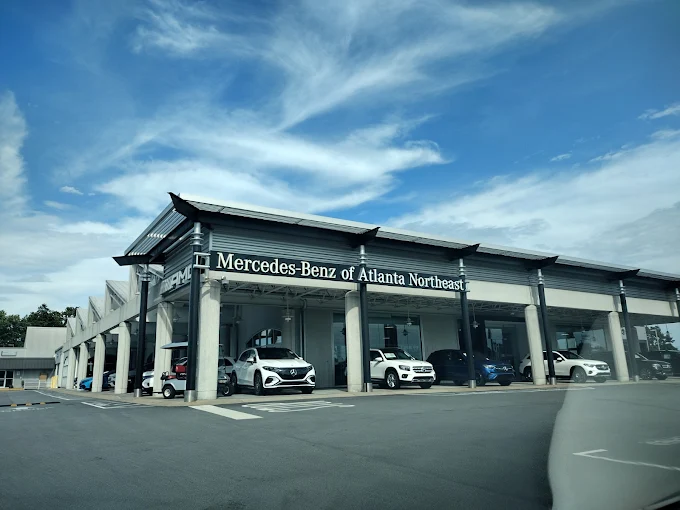


Georgia Bug Season Is Peak-Risk Month for Your Mercedes-Benz Exterior
Posted at Mon, Jul 13, 2026 1:09 AM
Mid-July is the single most damaging time of year for a Mercedes-Benz finish in the Atlanta Northeast area: insect activity peaks along the GA-400 corridor and the Lake Lanier shoreline right as summer heat pushes hood-surface temperatures high enough to bake bug residue into clear coat within hours. The plan that keeps your paint pristine is simple -- remove splatter before the 24-to-48-hour chemistry clock runs out, use products that respect Mercedes-Benz's multi-layer paint architecture, and build one long-term barrier before the season ends.
Every weekend drive north on your GLE toward the lake puts the front bumper, hood, and headlight lenses directly in the path of peak insect flight corridors. Getting the sequence right the same evening you return is the difference between a five-minute wipe-down and a paint-correction appointment.
What Is the Bug-Season Threat at a Glance?
| Surface / Situation | Why it matters | Highest-risk window | First action |
|---|---|---|---|
| Front bumper and hood | Direct strike zone at highway speed | Dusk drive, warm evening | Pre-soak with pH-neutral bug remover within 2 hrs |
| Headlight lenses | Bug acids fog polycarbonate over time | Any highway leg | Dedicated lens cleaner, not standard bug spray |
| Magno matte clear coat | Damage cannot be polished; full panel repaint required | All season | Matte-specific cleaner only; no wax, no standard ceramic product |
| Horizontal surfaces (roof, trunk) | Heat bakes residue fastest | Full day in the sun | Rinse within hours; shade parking helps |
| Windshield | Residue smears vision when wipers activate in rain | Evening thunderstorm drive | pH-neutral glass cleaner, not ammonia-based products |
Georgia's Summer Bug Calendar Makes July the Most Urgent Month
The Atlanta metro's insect population does not peak evenly across the summer. Mosquitoes in North Georgia thrive at temperatures around 80 degrees Fahrenheit, which in the Duluth area means the June-through-September window carries the heaviest activity. Georgia is also home to roughly 50 species of fireflies -- more than any other state -- with peak adult flight in June and July concentrated in the wooded corridors near the Chattahoochee River National Recreation Area and the forested edges along GA-400 leading to Lake Lanier. Insects are most active at dusk, precisely when many drivers are headed south toward Duluth after a weekend afternoon at the lake.
The chemistry that makes this urgent: bug bodies contain acids and enzymes with a pH as low as 4.2 -- roughly equivalent to vinegar. Left on paint in the Georgia heat, that acid begins chemically attacking your clear coat within 24 to 48 hours. On a July afternoon, the surface temperature of a hood parked in direct sun can reach 150 to 190 degrees Fahrenheit even when the air temperature is only 90 degrees, accelerating the etching reaction significantly.
Insider note: Insects are most active during the first hour after dusk -- exactly when you are pulling into the driveway after a Lake Lanier day trip. A quick pre-soak spray on the front end before you go inside costs five minutes. Waiting until the weekend wash means the acid has already had days to work.
The Removal Sequence That Protects Mercedes-Benz Clear Coat
The standard car-wash instinct -- drive through a tunnel wash, scrub the hood -- is the approach most likely to add micro-scratches to a Mercedes-Benz finish alongside the bug damage. The paint system on every Mercedes-Benz uses a multi-layer structure: primer, base coat, and a clear coat engineered for durability and gloss depth. Once bug acid etches into that clear layer, no amount of hand polishing restores the surface -- the correction requires machine polishing, and in severe cases, a panel respray.
GLC and E-Class owners on Buford Highway and the I-85 corridor see similar splatter patterns: heavy concentration on the front bumper and leading hood edge, lighter but still risky deposits on the mirrors and A-pillars.
Follow this sequence after any highway drive during bug season:
- Pre-soak first, touch nothing. Spray a dedicated pH-neutral bug remover on the front bumper, hood, and headlight lenses. Allow it to dwell for three to five minutes. The product needs time to break down the protein bonds before any physical contact. Skipping the dwell time means you are dragging partially dried insect material across the clear coat.
- Rinse before your mitt makes contact. Use a hose or low-pressure washer from at least 18 inches to rinse the loosened material free. The goal is to remove as much residue as possible before any cloth touches the surface.
- Two-bucket hand wash with pH-neutral shampoo. Work in straight lines, not circles -- straight passes limit the visibility of any incidental micro-scratches. Start at the top and work down so contaminated rinse water runs away from already-cleaned panels.
- Clay bar for anything that did not lift. If you can still feel rough patches after rinsing, a clay bar with lubricant spray safely lifts bonded contamination without abrading the clear coat.
- Dry with a clean, dedicated microfiber. Cross-contamination from a dirty towel is a second round of abrasion. Keep one microfiber set reserved for post-wash drying only.
Never use dish soap, ammonia-based glass cleaners on paint or trim, or household abrasive pads. These strip the wax or sealant layer that slows the next round of insect adhesion.
Next step: If you are unsure whether bug residue has already etched your Mercedes-Benz finish, our service center team can evaluate the paint during a scheduled visit and advise on whether light polishing or a deeper correction is warranted.
One Long-Term Barrier Worth Adding Before the Season Ends
E-Class and GLS owners who complete the removal protocol after every drive during bug season do the right thing reactively. The proactive layer is a surface treatment that makes future removal faster and reduces acid adhesion in the first place.
Mercedes-Benz Financial Services offers First Class Interior and Exterior Protection, which applies DuPont ceramic coatings to safeguard your vehicle's paint against environmental contaminants. A properly applied ceramic coating creates a hydrophobic surface -- water and bug acids bead and run rather than bonding to the paint. That property does not make the surface immune to etching if splatter sits long enough, but it extends the window for safe removal substantially and makes the weekly wash far more effective.
One critical note for owners of Mercedes-Benz vehicles finished in designo Magno colors: the Magno matte clear coat incorporates silicon dioxide into the top layer, which gives it both its characteristic texture and increased hardness relative to standard matte finishes. That hardness is a benefit -- but any damage to the matte surface cannot be corrected by polishing, because polishing would alter the light-scattering texture that defines the finish. The entire affected panel requires respraying. Magno owners should use only matte-specific cleaning products -- no wax, no standard carnauba or ceramic coatings designed for gloss finishes -- and should consider matte-compatible paint protection film applied by a qualified professional before the peak of bug season rather than after the first visible etch mark.
Schedule a Service Center Visit
For owners who want their Mercedes-Benz protected from the inside out this summer, the service center at Mercedes-Benz of Atlanta Northeast is the right starting point. The team can assess your current paint condition, walk you through the protection options suited to your specific finish, and help you determine whether a full detail and sealant application makes sense before the rest of the summer passes.


