
How to Use Adaptive Cruise Control Safely on I-85 in Duluth, GA
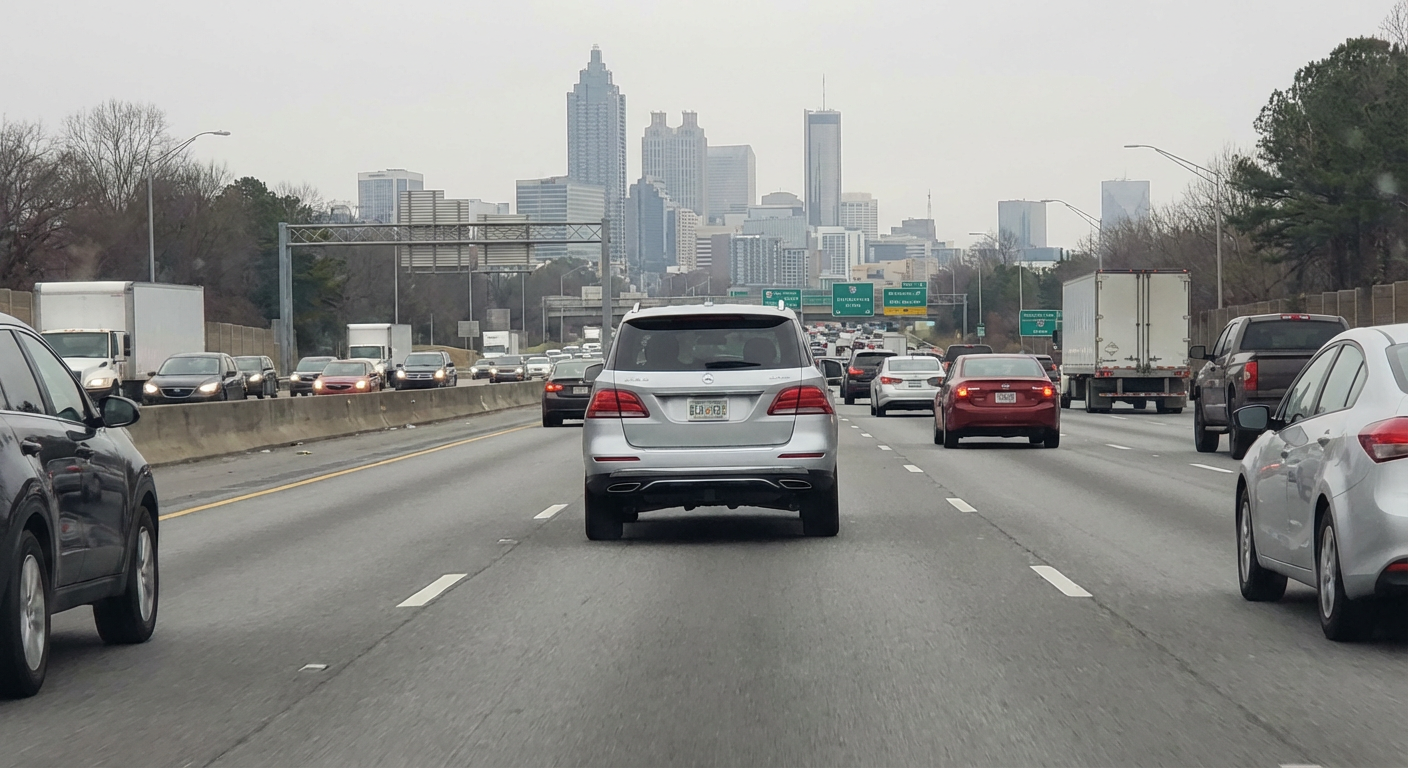
Mercedes-Benz® DISTRONIC adaptive cruise control can reduce driver fatigue by up to 30% on highways like I-85, but only when you understand its capabilities and limitations. If you're navigating the daily grind between Duluth, GA and Atlanta's business districts, mastering this technology transforms stressful commutes into smoother journeys. This guide reveals exactly how to maximize your Mercedes-Benz's adaptive cruise control for the unique traffic patterns of I-85, from the Sugarloaf Parkway interchange through the perpetual construction zones near Spaghetti Junction.
Understanding DISTRONIC Adaptive Cruise Control on Your Mercedes-Benz
Your Mercedes-Benz uses radar sensors and cameras to maintain both your set speed and a safe following distance - automatically adjusting when traffic slows ahead. This goes far beyond traditional cruise control that simply maintains speed regardless of traffic conditions. The system continuously scans up to 500 feet ahead, tracking multiple vehicles simultaneously and predicting their movements.
The beauty of DISTRONIC lies in its intelligence. When that inevitable slowdown hits near Pleasant Hill Road during rush hour, your vehicle smoothly decelerates without any input from you. Once traffic clears, it automatically returns to your preset speed. The system even brings your vehicle to a complete stop in heavy congestion and can resume movement in stop-and-go situations.
- Long-range radar sensors (behind the Mercedes-Benz star)
- Stereo multi-purpose camera (behind the windshield)
- Electronic stability program integration
- Brake assist system coordination
- Steering wheel controls for easy adjustments
Different Mercedes-Benz models offer varying levels of sophistication. The E-Class and S-Class feature the most advanced versions with steering assist capabilities, while the C-Class and GLE provide excellent adaptive cruise functionality perfect for I-85's varying traffic densities.
Setting Up Adaptive Cruise Control for I-85 Traffic Patterns
The sweet spot for adaptive cruise control on I-85 through Gwinnett County typically falls between 65-70 mph during off-peak hours. Start by pressing the cruise control lever down to activate the system - you'll see the white speedometer symbol illuminate in your instrument cluster. Set your desired speed when traffic is flowing smoothly, ideally north of Mall of Georgia or south of Beaver Ruin Road where congestion typically lightens.
Adjusting your following distance proves crucial for I-85's unpredictable flow. Mercedes-Benz provides four distance settings, displayed as horizontal bars on your dashboard. For the section between Highway 316 and I-285, setting three provides optimal balance - close enough to prevent aggressive lane-cutters but far enough to react smoothly to sudden slowdowns.
| Time Period | Location | Recommended Speed | Following Distance |
|---|---|---|---|
| 6-9 AM Southbound | Duluth to I-285 | 55-60 mph | Setting 4 |
| 9 AM-3 PM | Full corridor | 65-70 mph | Setting 3 |
| 3-7 PM Northbound | I-285 to Sugarloaf | 50-55 mph | Setting 4 |
| Evening/Weekend | All sections | 70-75 mph | Setting 2-3 |
Weather conditions around Lake Lanier's moisture patterns can create sudden fog banks, especially near the Buford Dam Road exit. In these conditions, manually override the system or increase following distance to maximum.
Recognizing When NOT to Use Adaptive Cruise Control
Heavy rain transforms I-85 into a hazardous corridor where adaptive cruise control becomes more liability than asset. The system's sensors can misinterpret spray from other vehicles, causing unnecessary braking or failing to detect vehicles altogether. Those summer thunderstorms that roll through Gwinnett County around 4 PM demand full manual control.
Construction zones present another no-go scenario. The perpetual work between Steve Reynolds Boulevard and Pleasantdale Road creates situations the system wasn't designed to handle:
- Shifted lanes with temporary barriers
- Narrow passages with concrete walls
- Sudden lane merges
- Construction vehicles entering traffic
- Uneven pavement transitions
Exit and entrance ramps require particular caution. The short acceleration lanes at older interchanges like Chamblee Tucker Road don't provide enough space for the system to react properly to merging traffic. Similarly, the complex geometry where Highway 141 meets I-85 can confuse the sensors.
Manual control remains essential during:
- Ice or snow conditions (rare but impactful in North Georgia)
- Accident scenes with emergency vehicles
- Aggressive driver situations
- Sharp curves like the I-85/I-285 interchange
- Dense fog below Chattahoochee River bridges
Maximizing Safety with Active Distance Assist
Mercedes-Benz Active Distance Assist DISTRONIC takes adaptive cruise control further by incorporating navigation data and learning your driving patterns. On I-85, this means your GLC or GLE actually anticipates the slowdown approaching Norcross before visual contact with traffic. The system reads speed limit changes and adjusts accordingly - particularly useful when transitioning from the 70 mph zones to the 55 mph section through downtown Atlanta.
The route-based speed adaptation proves invaluable for regular commuters. After several trips, your Mercedes-Benz learns that you typically slow down near the Shallowford Road exit where patrol cars frequently monitor speed. It also recognizes your preferred lane positions - perhaps you favor the right lanes near your Lawrenceville exit or stay left to bypass Suwanee congestion.
- Predictive slowing for known congestion points
- Automatic speed adjustment for curves
- Integration with live traffic data
- Learning-based optimization over time
- Smoother transitions between speed zones
For maximum effectiveness, ensure your COMAND or MBUX navigation system has current map data. The system's ability to "see" upcoming road geometry depends entirely on accurate navigation information. This becomes critical near the I-85 Express Lanes where entry and exit points require precise positioning.
Common Questions About Adaptive Cruise Control on I-85 in Duluth, GA
Does Mercedes-Benz adaptive cruise control work in stop-and-go traffic on I-85?
Yes, Mercedes-Benz DISTRONIC with Stop&Go function handles congested traffic by automatically stopping and resuming within 3 seconds. For stops longer than 3 seconds near bottlenecks like Pleasant Hill Road, simply tap the accelerator or resume button to continue. The E-Class and S-Class models excel at this feature, making the daily crawl through Spaghetti Junction significantly less stressful.
How does rain on I-85 affect my Mercedes-Benz adaptive cruise control performance?
Rain degrades sensor performance by 20-40%, requiring increased following distances and reduced speeds for safety. Heavy downpours common during Georgia summers can overwhelm the sensors with spray and reflections. The system remains functional but may brake more conservatively or display warning messages to take control.
What's the ideal following distance setting for I-85 through Gwinnett County?
Setting 3 provides optimal balance for normal conditions between Duluth and Atlanta, maintaining approximately 2 seconds of following distance at highway speeds. During rush hours or approaching known congestion areas like the I-285 interchange, increase to setting 4. This adjustment prevents unnecessary brake applications while maintaining safety margins.
Can adaptive cruise control handle the I-85 Express Lanes near Chamblee?
Mercedes-Benz adaptive cruise control functions normally in Express Lanes but requires driver attention for entry and exit maneuvers. The system maintains your set speed and following distance within the lanes themselves. However, you must manually control the vehicle when crossing the double white lines at access points near Chamblee Tucker Road or Shallowford Road.
Should I use adaptive cruise control during Braves game traffic on I-85?
Avoid using adaptive cruise control during major event traffic near The Battery Atlanta, as unpredictable driver behavior and frequent lane changes can overwhelm the system. The surge of vehicles exiting at Cumberland typically creates erratic traffic patterns. Manual control provides better responsiveness for the stop-and-go conditions that develop 2 hours before first pitch.
How often should I have my Mercedes-Benz adaptive cruise sensors calibrated in Duluth, GA?
Schedule sensor calibration annually or after any windshield replacement, front-end collision, or when warning messages appear frequently. Georgia's pollen season and summer thunderstorms can gradually affect sensor alignment. Regular maintenance ensures optimal performance for your daily I-85 commute.
Making Your I-85 Commute Smoother and Safer
Mastering adaptive cruise control transforms your daily battle with I-85 traffic into a more relaxed, controlled experience. The technology shines during those predictable congestion patterns - the morning crawl past Beaver Ruin Road or the afternoon backup approaching Steve Reynolds Boulevard. By understanding when to engage the system and when to take manual control, you're leveraging Mercedes-Benz engineering to reduce fatigue while maintaining safety.
Remember that adaptive cruise control serves as your co-pilot, not your replacement. The perpetual construction, aggressive drivers, and sudden weather changes along I-85 through Gwinnett County still demand your full attention and judgment. Use the technology as intended - to reduce the physical strain of constant speed adjustments while keeping your mind engaged with the driving task.
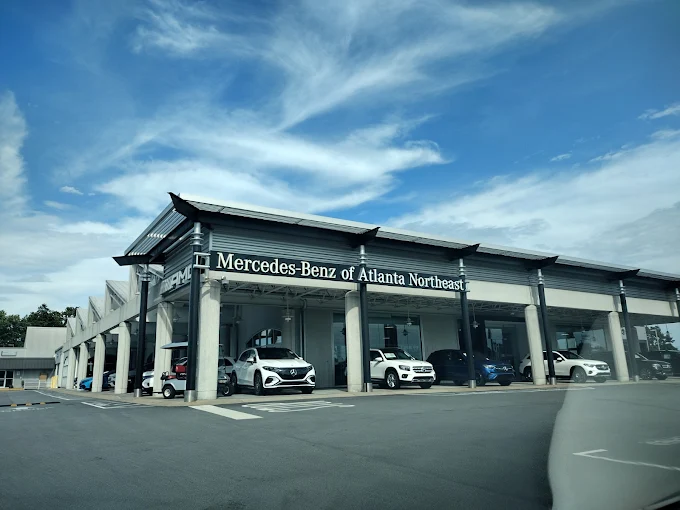
Ready to experience the latest DISTRONIC technology firsthand? The team at Mercedes-Benz of Atlanta Northeast can demonstrate these features on your specific commute route and help you select the ideal model for conquering I-85 with confidence.


